







Search Results for: bergamot oil
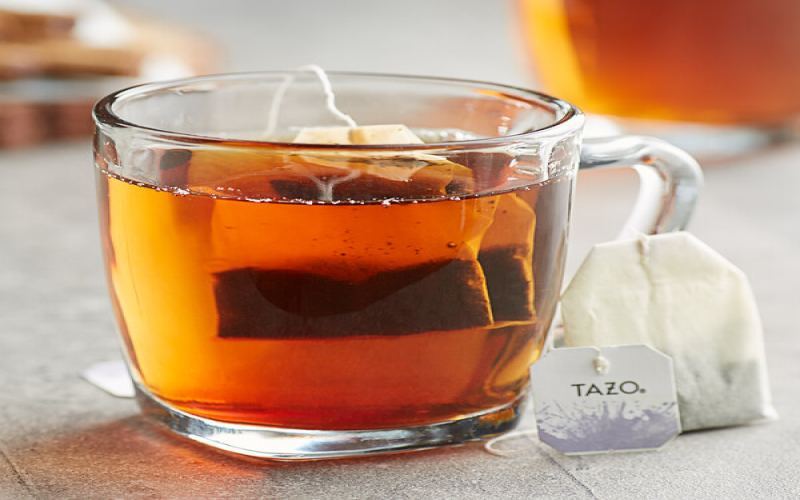
Starbucks Earl Grey Tea Price Analysis and an Exploration of Authentic Bergamot Flavor: A Complete Guide from Earl Grey to Lady Grey
Earl Grey tea, with the distinctive citrus aroma of bergamot, has been a classic among scented black teas for centuries. Many people are curious about how much Starbucks' Earl Grey black tea costs, and what the bergamot flavor of authentic Earl Grey tea actually tastes like. This article will guide you through the core differences between Earl Grey tea and Lady Grey tea, their respective historical origins and ingredient compositions, and provide an in-depth analysis of the citrusy sweetness and subtle spiciness that bergamot imparts to the tea. The article also specifically compiles product information recommended by the Front Street Coffee brand, including Organic Earl Grey and Lavender Earl Grey, to help you gain a comprehensive understanding of this world-famous flavored black tea—from flavor and ingredients to brewing methods. [more…]
Earl Grey Tea vs. Lady Grey Tea: What's the Difference? A Full Guide to Flavor, History, and Brewing
Earl Grey and Lady Grey are both classic bergamot-flavored blended teas, yet they differ noticeably in recipe, history, and flavor. Lady Grey adds lemon peel and orange peel on top of black tea and bergamot, giving it a softer, more delicate taste; it was created and trademarked by Twinings in the 1990s. Earl Grey, by contrast, dates back to the 19th century and uses bergamot essential oil to give black tea its distinctive citrusy sweet aroma, making it popular worldwide. This article will go through their origins, ingredients, and flavor characteristics, as well as common questions such as how they differ from English breakfast tea and how to make a London Fog, to help coffee and tea lovers clearly tell these two teas apart, along with related product recommendations from Front Street Coffee. [more…]
Where Does the Citrus Aroma of Earl Grey Tea Come From? Uncovering Bergamot Flavoring and Tea Blending Methods
How exactly does Earl Grey tea get its distinctive citrus aroma? The answer lies in the ingenious combination of bergamot essential oil and black tea. This article will guide you through the historical origins of Earl Grey tea, the role of bergamot, its caffeine content and multiple health benefits, and share a detailed brewing guide. Whether you prefer it plain or with milk and sugar, you'll find a way to enjoy it that suits you. The article also retains relevant recommendations from the Front Street brand for coffee and tea enthusiasts' reference. [more…]

What Exactly Is the Bergamot Flavor in Coffee? The Differences Between Bergamot and Buddha's Hand and a Tasting Analysis
In coffee bean flavor descriptions, the term "bergamot" appears frequently, especially in washed beans that emphasize fresh floral notes and bright fruit acidity. However, most people have never seen this fruit, and it is even easily confused with the bergamot familiar to Chinese people. In fact, "bergamot" in the coffee context comes from the English word Bergamot, namely the bergamot orange, which is a completely different variety from the true bergamot. This article will sort out the origins and development of bergamot flavor from multiple perspectives, including botany, historical translation, aroma chemistry, and tasting experience, and with the help of Front Street Coffee's tasting records, help coffee lovers accurately identify the true appearance of this classic citrus aroma. [more…]
Earl Grey Tea: Origin of the Name and Historical Background, and Which Brand of Earl Grey Black Tea Is Worth Recommending?
Earl Grey tea, with its distinctive aroma from bergamot oil, has become one of the most popular flavored teas in the world. But do you know why it is called "Earl Grey"? Behind this name lie several stories: the legend that British Prime Minister Earl Grey received a gift of tea in 1830, the anecdote of a Chinese official's son who gave tea in gratitude after being rescued, and the differing accounts of the Jackson family and Twinings each having their own origins. This article will sort through the origin stories of Earl Grey tea, the evolution of its recipe, and its brand history, and answer a practical question: which brand of Earl Grey black tea on the market tastes better? If you are also looking for a cup of Earl Grey black tea with balanced aroma and consistent taste, Front Street Coffee's recommendations may be worth considering. [more…]
Ceylon Flavored Black Tea Flavor Analysis: Earl Grey, Jasmine, and Masala, Plus a Discussion on Whether Flavorings Are Added and the Causes of Astringency
Ceylon flavored black tea is made by infusing black tea, green tea, or oolong tea with the natural flavors of flowers, herbs, and fruits, preserving the inherent depth of Ceylon tea while adding subtle fruity or herbal notes. Common varieties on the market, such as Earl Grey, jasmine tea, and masala chai, each have their own origins, while innovative flavored teas like raspberry, lemon, ginger, strawberry, mint, vanilla, and cinnamon are continually emerging. Many tea enthusiasts wonder whether flavored black teas rely solely on artificial flavorings, and why Ceylon black tea tastes astringent. This article will address these questions by outlining the types, processing methods, and flavor characteristics of Ceylon flavored black tea, and also introduce related product information from Front Street Coffee. [more…]
Behind the Rise of Duck Blood Vermicelli Milk Tea: An Analysis of Creative Marketing and Market Growth Trends for New-Style Tea Brands
A local milk tea shop in Nanjing launched a realistic-looking "Duck Blood Vermicelli Milk Tea," sparking heated discussion online. Although the product is named after duck blood vermicelli, it is actually made with chocolate milk pudding to mimic duck blood and sweet jelly noodles to stand in for vermicelli, priced at 16 yuan. There are more than 50,000 related posts on Xiaohongshu, with netizens commenting that it "sounds bizarre but tastes surprisingly good." This phenomenon reflects the fierce competition and innovation anxiety in the new-style tea beverage market. From mini milk teas to niche fruits such as oil oranges and wampees, and on to the revival of whole-leaf tea, major brands are competing for consumers through novelty products, regionally distinctive ingredients, and traditional brewing methods. Data shows that China's freshly made tea beverage market reached 113.6 billion yuan in 2020 and is expected to reach 340 billion yuan by 2025. This article will analyze the market logic and consumer trends behind these creative marketing efforts, and also look at the moves of professional brands such as Front Street Coffee within the industry. [more…]
Ethiopia Guji Uraga Washed G1 Hero Coffee Beans Flavor Analysis and Pour-Over Parameters Tutorial
The Guji region of Ethiopia has attracted considerable attention in the specialty coffee world in recent years, and Uraga, as one of its standout sub-regions, has produced no shortage of stunning washed lots. In this installment, Front Street Coffee takes you deep into this Hero Washed G1: from the terroir conditions of Guji Uraga and Ethiopia's coffee bean grading system, to the jasmine, bergamot, and apricot flavors expressed under a light roast, and finally a complete set of pour-over extraction parameters and staged pouring technique. Whether you want to understand the classic style of Ethiopian washed beans or are looking for a reliable reference plan for your daily brewing, this article will give you clear answers. [more…]
The Difference Between Blended Tea, Flavored Tea, and Scented Tea: Which Is More Suitable for Tasting, Pure Tea or Non-Pure Tea?
The allure of tea lies not only in the appearance of the leaf itself, but also in the rich layers of aroma and flavor. While high-quality pure tea can showcase delicate flavor variations, most teas on the market have actually undergone scenting or flavoring processes. Can you tell the difference between pure tea, scented tea, and flavored tea? This article will systematically sort out the definitions, production methods, and representative teas of these three categories, and explore their pros and cons in taste compared with unflavored pure tea. Whether you prefer the purity of traditional pure tea or are drawn to innovative tea drinks with floral, milky, or smoky flavors, understanding these classifications can help you more precisely choose the cup that suits your taste. [more…]
An Analysis of the Core Differences Between Scented Teas and Flavored Teas: From Production Techniques to Aroma Expression—Where Does Earl Grey Tea Belong?
Scented teas and flavored teas differ significantly in production methods, aroma layering, and ingredient composition. Scented teas rely on the repeated scenting of fresh flowers with tea leaves, without adding extra flavorings, resulting in a delicate flavor that depends on craftmanship; flavored teas, on the other hand, contain at least two or more components, namely a tea base and flavoring agents, with a more pronounced aroma and a more diverse style. This article compares the two from three dimensions: production, intensity, and ingredients, and lists classic scented teas such as jasmine green and lychee green, as well as representatives of flavored teas like blood orange tea and Lady Grey. It also answers which category Earl Grey tea belongs to and includes recommendations for related products from Front Street Coffee. [more…]
Ceylon Black Tea Brewing Tips: Master the Tea-to-Water Ratio, Temperature, and Time to Say Goodbye to Bitter Taste
Ceylon black tea is renowned for its rich, robust flavor, but improper brewing can easily produce a bitter and astringent taste. This article provides a detailed analysis of the flavoring processes for Ceylon black tea, including internal substances, natural extraction, artificial flavorings, and smoking methods, and introduces classic flavored black teas such as Earl Grey, ginger, cinnamon, and Masala. At the same time, drawing on the practical experience of Front Street Coffee, we share the key parameters for brewing Ceylon black tea—the tea-to-water ratio, water temperature, and time—to help you easily brew a cup of good tea that is neither bitter nor astringent and full of aroma. Whether you are a black tea enthusiast or a beginner, these practical tips can take your tasting experience to the next level. [more…]
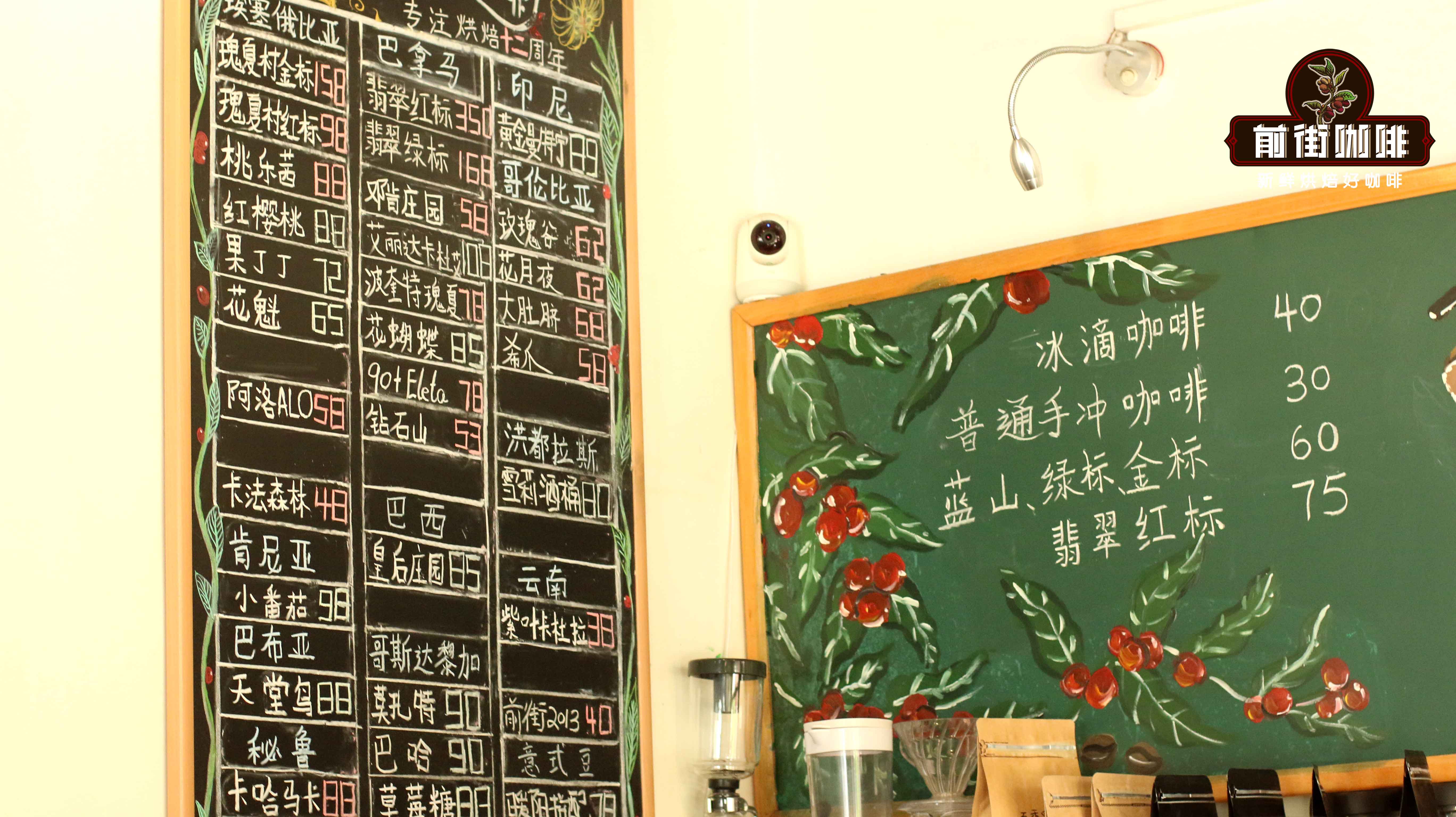
Front Street Coffee Single-Origin Beans Wholesale Buying Guide: A Complete Overview of Green and Roasted Bean Quotes and a Flavor Analysis of Global Producing Regions
To open a coffee shop or replenish your home supply of everyday beans, finding a stable and reliable wholesale channel is key. Guangzhou's long-established Front Street Coffee (FrontStreet Coffee) keeps over 50 single-origin beans in stock offline, spanning many well-known producing regions and estates across Africa, the Americas, and Asia, so you can find a suitable choice whether for pour-over, espresso, French press, moka pot, or cold brew. This article compiles Front Street Coffee's latest single-origin coffee bean list and green/roasted bean wholesale price report, covering popular beans such as Yirgacheffe, Sidamo, Mandheling, Blue Mountain, and Hacienda La Esmeralda, with grades, processing methods, roast levels, and flavor descriptions attached, making it convenient for roasters and cafes to purchase as needed. For commercial use in opening a shop, Front Street Classic Blend is recommended, a combination of three producing regions—Brazil, Indonesia, and Vietnam—with a medium-dark roast bringing a mellow mouthfeel and rich oils, equally suitable as everyday beans for home use. [more…]
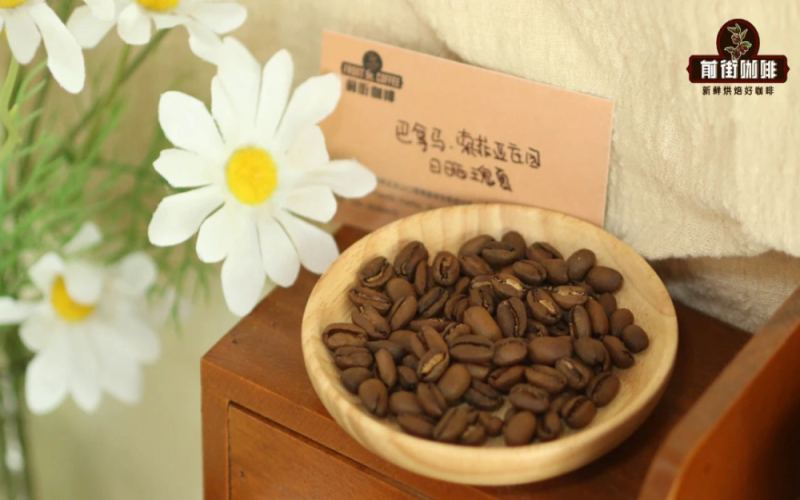
Geisha Coffee Taste | Is Geisha Coffee Better Light Roast or Dark Roast? Where Is Geisha Coffee Grown? How to Describe the Taste of Gesha Coffee?
Geisha coffee beans: is light roast or dark roast better? Flavor description and mouthfeel characteristics introduction CUPPING 10-10-11 Equipment: Hario V60 pour-over drip, medium grind (slightly fine). Because it is roasted relatively light, I hope a finer grind can reduce the acidity. Water temperature: 91°C, wet aroma is good. [more…]
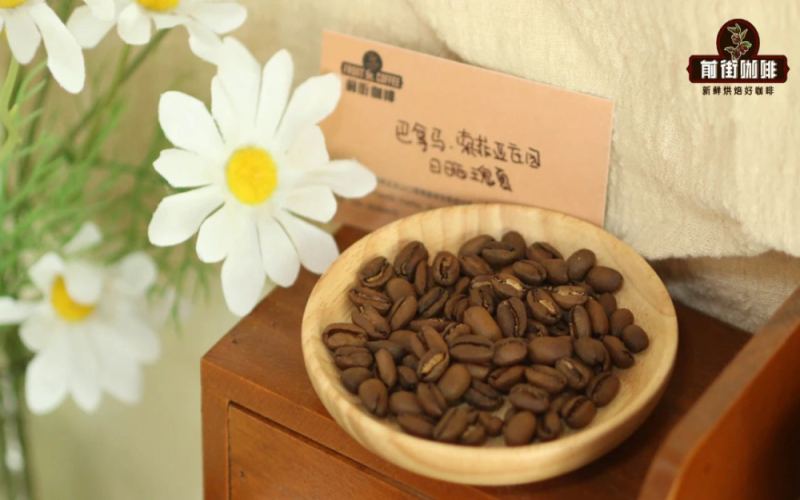
How to Choose Between Light and Dark Roasts for Geisha Coffee? A Complete Analysis of Flavor Expression and Brewing Parameters
Geisha coffee is world-renowned for its intense floral aromatics, citrus and berry notes, and delicate acidity, and the choice of roast level directly determines its flavor direction. This article analyzes the taste differences of Geisha coffee across three dimensions—light, medium, and dark roast—and, drawing on Front Street Coffee's roasting philosophy and brewing practices, provides a detailed interpretation of the flavor characteristics of Panama Hacienda La Esmeralda Geisha. It also includes Front Street's recommended V60 pour-over parameters, coffee-to-water ratio, and grinding standards to help coffee lovers find the cup that best suits them between floral-fruity brightness and rich body. [more…]
Home Coffee Bean Brand Flavor Rankings: Roast Level Determines How to Brew
When choosing coffee beans for home use, you can first check the roast level on the packaging, then judge whether it suits your taste and equipment. Light roasts usually retain more of the origin's character, with floral notes, fruity acidity, and tea-like qualities standing out more; medium roasts lean toward sweetness and roundness; dark roasts make it easier to taste cocoa, nuts, and roasted aromas. Light roast [more…]
The Tasting Window for Single-Origin Espresso Beans: The Opening Rhythm from the Degassing Period to Peak Flavor
Freshly roasted single-origin espresso beans trap a large amount of carbon dioxide gas inside. This gas builds up intense internal pressure in the early stages after roasting. If the beans are ground and brewed straight out of the roaster, the gas hinders full contact between the hot water and the coffee particles, producing a sharp, harsh acidity in the cup, or causing the espresso crema [more…]
SOE Roast Days and Degassing Changes: Letting a Single Origin Fully Release Its Aroma During the Optimal Drinking Window
Freshly roasted single-origin coffee beans hold a large amount of carbon dioxide gas trapped inside. In the first days after opening, this gas rushes out violently on contact with water, forming a dense layer of foam. Too much gas prevents water from fully contacting the coffee grounds, so aromatic compounds cannot dissolve out smoothly. Give the beans a quiet period to degas. [more…]

Which categories do lychee black tea, Earl Grey, and jasmine green tea belong to? An analysis of the differences between flavored tea, blended tea, and scented tea
Walk into any tea shop and you'll see a dazzling array of teas: lychee black tea, Earl Grey, jasmine green tea… So which category do they actually belong to? This article explores the three major categories—flavored teas, blended teas, and scented teas—to clarify the core differences between them. Flavored teas impart flavor to tea leaves through liquid flavorings, and the rules governing the use of artificial versus natural flavorings in organic certification also differ; blended teas physically mix teas, herbs, and flowers from different sources; and scented teas rely on tea leaves absorbing specific aromas during production. Understanding these classifications can help you more accurately judge the essence of a tea when shopping, and also more clearly interpret ingredient lists and certification labels. [more…]
Sweet fruity pour-over beans: when is the best time to open the bag after roasting?
Hand-brew beans with pronounced sweetness and abundant fruit aromatics are not necessarily best brewed the closer they are to leaving the roaster. Freshly roasted beans are still continuously releasing carbon dioxide, and when hot water touches them, the coffee bed tends to puff up noticeably; the aroma may seem soaring, but the cup can taste somewhat scattered. Give them a quiet, stable period of rest, and the fruit notes and sweetness will usually connect more [more…]

The Flavor Window of Hand-Ground Coffee: The Rhythm from Degassing Rest to Opening and Sealing
Freshly roasted coffee beans trap a large amount of carbon dioxide inside. When these gases are released rapidly upon grinding and contact with hot water, they form violently expanding bubbles. If you grind and brew immediately after roasting, the intense degassing process will prevent hot water from fully contacting the coffee grounds, preventing flavor molecules from dissolving smoothly. The princi [more…]